Choosing the Right Groundwork for the Job
Published date: 18 June 2026
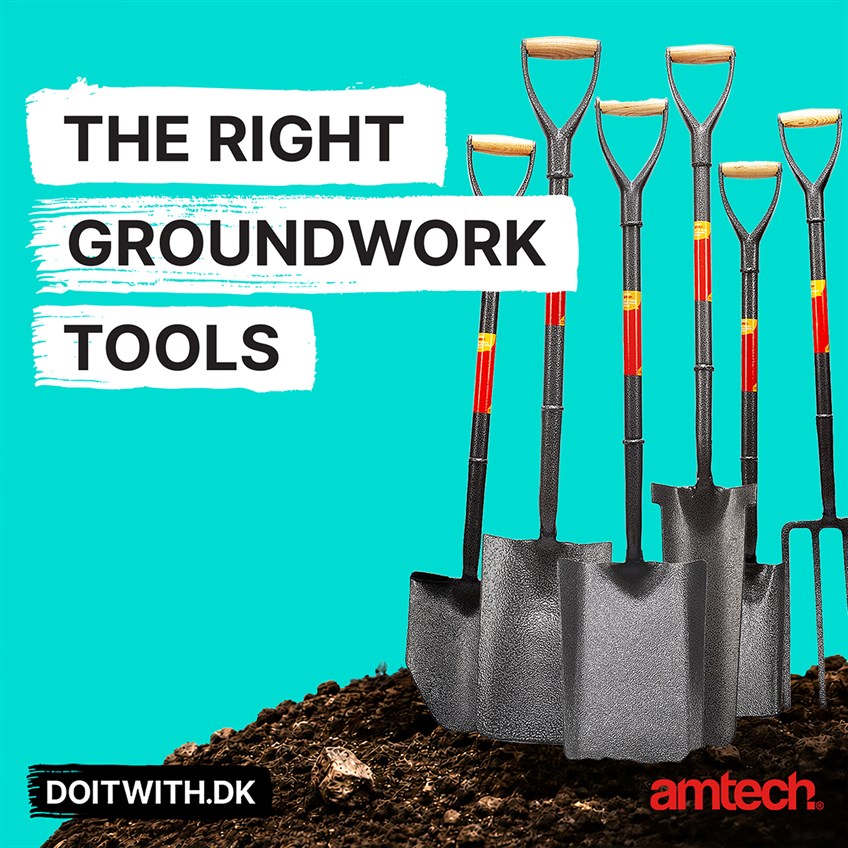
Choosing the Right Groundwork Tool for the Job
Groundwork jobs demand more than effort. The right tool can make digging faster, cleaner and less labour-intensive.
Whether the task involves trenching, drainage, utility installation, landscaping or general site preparation, different tools are designed for different ground conditions and working methods. For trade users, contractors and merchants, understanding these differences helps match the right product to the job.
At DK Tools, we know many groundwork tools can look similar at first glance. In practice, blade shape, width, handle design and intended use can make a real difference to how the tool performs on site.
Why Specialist Groundwork Tools Matter
Using the wrong digging tool can slow the job down, create unnecessary strain and lead to more reinstatement work afterwards.
A broad shovel may be ideal for moving loose material, but inefficient for narrow trenching. A specialist spade may remove less material per scoop, but give better control in restricted spaces. Choosing the right tool helps users work more efficiently and achieve a cleaner result.
The key is understanding what each tool is designed to do.
Taper Mouth Shovel — General Ground Penetration
A taper mouth shovel is one of the most versatile tools for groundwork and landscaping tasks.
Its pointed blade profile helps it break into firmer ground more easily than wider, flatter shovel designs. This makes it useful for general digging, loosening soil and preparing ground before further work begins.
Typical uses include:
• Breaking ground
• General digging
• Soil movement
• Landscaping preparation
Square Mouth Shovel — Moving Loose Material
A square mouth shovel is better suited to moving loose material quickly.
Its wider, flatter blade allows users to scoop and transfer larger volumes of sand, soil, gravel, aggregates and site debris. Where the job is more about shifting material than cutting into the ground, this style of shovel is often the more efficient choice.
Typical uses include:
• Moving aggregates
• Loading materials
• Site clean-up
• General groundwork
Trenching Spade — Narrow Excavation Work
Not every excavation task needs a wide blade.
A trenching spade is designed for creating narrower, more consistent trenches where control matters. Its slimmer blade profile helps reduce unnecessary digging, making it useful where the trench needs to stay neat and focused.
This can be particularly useful for:
• Drainage channels
• Irrigation systems
• Utility trenches
• Narrow excavation work
Newcastle Drain Spade — Working in Confined Areas
Drainage work often requires a more specialised tool.
A Newcastle drain spade has a long, narrow blade profile designed for deeper or more restricted digging tasks. It allows users to work in tighter spaces where a standard shovel or spade may be too wide or awkward.
Applications often include:
• Drainage work
• Pipe runs
• Deeper trenching
• Restricted access digging
Cable Laying Shovel — Utility Installation
When installing underground cables or utilities, keeping disruption to a minimum is important.
A cable laying shovel is designed to create narrower cuts in the ground, helping reduce the amount of material removed and the reinstatement work required afterwards. This makes it particularly useful for utility, landscaping and installation work where a controlled trench is needed.
Common uses include:
• Cable laying
• Utility installation
• Narrow trench creation
• Landscaping services
Contractor’s Fork vs Digging Spade
Ground conditions should also influence tool choice.
A contractor’s fork is useful for breaking up compacted material, loosening soil and working in areas with roots, stones or debris. A digging spade is better suited to cleaner digging, edging and cutting through soil where a neater finish is required.
In many groundwork applications, both tools have a role. The best choice depends on whether the task requires breaking up material, lifting it, cutting into it or creating a defined edge.
Choosing the Right Tool for the Task
For contractors, landscapers and trade users, productivity often starts with tool selection.
Specialist groundwork tools are designed to suit specific applications, from general excavation and material movement to trenching, drainage and cable installation. Understanding the strengths of each tool helps users work more efficiently, reduce unnecessary effort and achieve a cleaner result on site.
For merchants and retailers, this product knowledge also supports better customer conversations. By explaining the difference between each tool type, it becomes easier to recommend the right product for the job — and to show why a well-ranged groundwork tool offer matters.
Leave us your comment
You need to login to submit a comment. Please click here to log in or register.